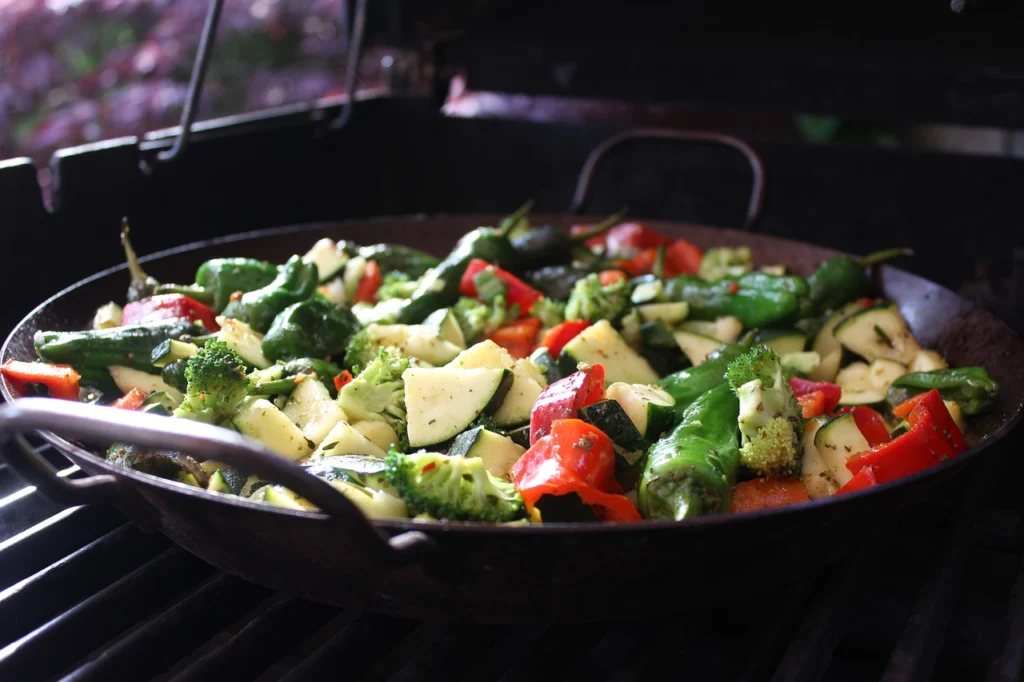
Short answer: The most common mistakes when roasting vegetables are overcrowding the pan, using too low or too high heat, not drying vegetables before roasting, using the wrong oil, cutting pieces unevenly, not flipping halfway, and underseasoning. Fix these and you’ll get crispy, caramelized results every time.
Key takeaways
- Overcrowding steams vegetables instead of roasting them.
- 400°F to 425°F is the sweet spot for most vegetables.
- Pat vegetables dry for better browning.
- Use an oil with a high smoke point like avocado or grapeseed.
- Cut pieces uniformly for even cooking.
- Flip halfway through for crispness on all sides.
What you will find here
- 1. Overcrowding the Pan
- 2. Wrong Oven Temperature
- 3. Not Drying Vegetables Before Roasting
- 4. Using the Wrong Oil
- 5. Uneven Sizes
- 6. Not Flipping or Tossing Halfway
- 7. Underseasoning (or Seasoning Too Late)
- Bonus Mistake: Using the Wrong Pan
- Putting It All Together: A Quick Roasting Routine
- How to Store and Reheat Roasted Vegetables
- Choosing the Right Vegetables for Roasting
- Frequently Asked Questions
Roasted vegetables are a weeknight staple, but they can easily turn out sad — limp, burnt on the edges, or just plain bland. After years of trial and error, I’ve narrowed down the most common mistakes when roasting vegetables. Fix these, and you’ll get caramelized, crispy results every time.
1. Overcrowding the Pan
This is the biggest mistake. When vegetables are packed too tightly, they release steam instead of roasting. The result: soggy, pale vegetables instead of crispy, browned ones.
Fix: Use a large enough pan so vegetables sit in a single layer with a little space between them. If a piece touches its neighbor, they’ll steam. Use two pans if you need more room. You can also rotate pans halfway through for even cooking. A good rule of thumb: if you can’t see the pan surface between pieces, it’s too crowded. For a standard half-sheet pan (18×13 inches), aim for about 2 pounds of vegetables max.
2. Wrong Oven Temperature
Too low (under 375°F) and vegetables dry out before browning. Too high (above 450°F) and they burn on the outside before cooking through. The sweet spot for most vegetables is 400°F to 425°F.
Fix: Preheat your oven fully — don’t rush it. For dense vegetables like potatoes, carrots, or beets, stick to 425°F. For softer ones like broccoli or zucchini, 400°F is better to avoid charring. If your oven runs hot, invest in an oven thermometer — many ovens are off by 25°F or more. Also note that opening the oven door frequently drops the temperature significantly, so resist peeking.
3. Not Drying Vegetables Before Roasting
Moisture is the enemy of browning. Any water on the surface of your vegetables will turn to steam in the oven, preventing that caramelized crust.
Fix: After washing, thoroughly pat vegetables dry with a clean kitchen towel or paper towels. For mushrooms, don’t wash them at all — just brush off dirt. For watery vegetables like eggplant or zucchini, try salting them first to draw out extra moisture, then pat dry. To salt: cut the vegetable, toss with 1 teaspoon salt per pound, let sit 10-15 minutes, then rinse and pat dry. This step also seasons the vegetable from the inside out.
4. Using the Wrong Oil
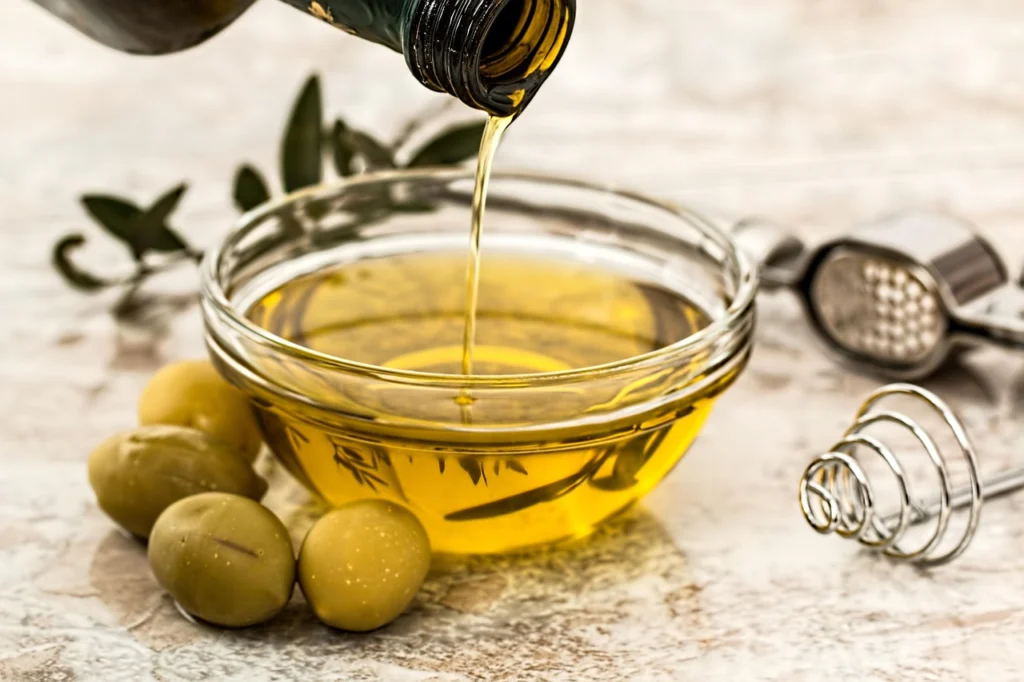
Not all oils are created equal for high-heat roasting. Olive oil has a smoke point around 375°F, so it can burn and turn bitter at roasting temperatures. Butter burns even faster. Others have different flavor profiles that may not suit every vegetable.
Fix: Use an oil with a high smoke point (400°F or above). Avocado oil, grapeseed oil, and refined coconut oil are great neutral options. If you want olive oil’s flavor, use it at lower temps or toss vegetables in a mix of a high-smoke-point oil and a bit of olive oil. For a full breakdown, check out our guide on Best Oil for High-Heat Cooking: A Comparison Guide. Use about 1-2 tablespoons of oil per pound of vegetables — enough to coat lightly but not pool in the pan.
5. Uneven Sizes
This is about physics: small pieces cook faster than large ones. If you toss baby carrots with quartered potatoes, the carrots will burn while the potatoes are still raw in the middle.
Fix: Cut all vegetables to a uniform size — roughly 1-inch cubes or 2-inch wedges. For vegetables that cook at different rates (like broccoli stems vs. florets), separate them on the pan. Or add denser vegetables to the oven first so they get a head start. For example, toss potatoes in the oven 10 minutes before adding broccoli, then add the broccoli and roast together for the remaining time. That way, everything finishes at once.
6. Not Flipping or Tossing Halfway
Roasting is about even exposure to heat. If vegetables sit undisturbed, only the side touching the pan browns well. The top stays pale.
Fix: Use a spatula or tongs to flip or toss vegetables at least once during cooking. Halfway through the total time — say, after 15 minutes for a 30-minute roast — give them a good stir. This also helps with even oil distribution. If you’re roasting multiple pans, swap their positions (top to bottom) at the same time for even heat exposure.
7. Underseasoning (or Seasoning Too Late)
Salt draws out moisture, but it also enhances flavor. If you only salt after roasting, the salt won’t penetrate. If you under-salt, the vegetables taste flat. Other seasonings like garlic powder can burn if added too early.
Fix: Season generously with salt and pepper before roasting. Add dried herbs and spices that can handle the heat (thyme, rosemary, paprika, cumin) early. Save tender herbs and garlic powder for the last 5 minutes or after roasting to avoid burning. A tablespoon of oil per pound of vegetables helps carry the seasoning evenly. For a more complex flavor, try tossing vegetables with a small amount of acid (lemon juice or vinegar) after roasting — it brightens the taste without interfering with browning.
Bonus Mistake: Using the Wrong Pan
A dark nonstick pan absorbs more heat and can cause burning. A glass dish can shatter under high heat. Thin baking sheets warp and don’t distribute heat evenly.
Fix: Use a heavy-duty rimmed baking sheet — light-colored aluminum or stainless steel is best. It conducts heat evenly and won’t warp. Line it with parchment paper for easy cleanup (but note: parchment can reduce browning slightly, so for maximum crispness, roast directly on the pan). If you use parchment, choose unbleached paper and avoid temperatures above 425°F to prevent scorching. Silicone mats are also an option, but they can slow browning — increase roasting time by a few minutes if needed.
Putting It All Together: A Quick Roasting Routine
Here’s a simple checklist to follow every time:
- Preheat oven to 425°F (or 400°F for softer veggies) — let it heat for at least 15 minutes.
- Wash and dry vegetables thoroughly. For watery veggies, consider salting first.
- Cut into uniform pieces (about 1 inch for cubes, 2 inches for wedges).
- Toss with oil — enough to coat but not pool. Start with 1 tablespoon per pound and add more if needed.
- Season with salt, pepper, and any hardy herbs or spices (thyme, rosemary, paprika).
- Spread in a single layer on a heavy baking sheet — no overlapping.
- Roast for 15 minutes, then flip/stir and rotate pans if using two.
- Roast another 10–20 minutes until tender and browned — test with a fork for doneness.
- Optional: toss with fresh herbs, garlic powder, or a squeeze of lemon after roasting.
Once you master these basics, you can adapt the technique to any vegetable. For meal prepping, roasted vegetables are a great way to add flavor to lunches throughout the week. See our guide to Meal Prep Healthy Lunches for the Week: A Step-by-Step Guide for ideas.
How to Store and Reheat Roasted Vegetables
Roasted vegetables are perfect for meal prep, but they lose crispness as they sit. To store, let them cool completely, then place in an airtight container in the fridge for up to 5 days. Avoid stacking them while warm — that traps steam and makes them mushy.
For reheating, the microwave will turn them soggy. Instead, spread them on a baking sheet and reheat in a 400°F oven for 5-10 minutes, or in an air fryer at 375°F for 3-5 minutes. This restores much of the original crispness. If you’re adding them to a salad, soup, or grain bowl, you can use them cold — the texture changes but the flavor remains.
Choosing the Right Vegetables for Roasting
Not all vegetables roast equally. Here’s a quick guide to what works best and what needs special handling:
- Dense root vegetables (potatoes, carrots, beets, parsnips, sweet potatoes): Roast at 425°F for 30-45 minutes. They need higher heat and longer time. Cut into uniform 1-inch cubes for even cooking.
- Cruciferous vegetables (broccoli, cauliflower, Brussels sprouts): Roast at 400°F for 20-30 minutes. Cut florets into similar sizes, and split thick stems from the tops. Brussels sprouts should be halved or quartered depending on size.
- Soft summer vegetables (zucchini, summer squash, bell peppers, cherry tomatoes): Roast at 400°F for 15-20 minutes. They cook quickly and release water, so pat them extra dry. Cut into larger pieces to prevent overcooking.
- Alliums (onions, garlic, shallots): Roast at 400°F for 20-35 minutes. Cut onions into wedges or slices; garlic can be roasted whole in the skin (squeeze out the soft cloves afterward).
- Mushrooms: Roast at 400°F for 15-25 minutes. Don’t wash — brush clean. Toss with oil and salt; they’ll release liquid and then reabsorb it. For extra browning, roast cut-side down.
If you’re mixing types, group them by cooking time and use separate pans or stagger the addition. Dense roots first, then add cruciferous, then soft veggies. This ensures everything is perfectly done at once.
Frequently Asked Questions
Why are my roasted vegetables always soggy?
Most likely overcrowding or not enough heat. Make sure the pan isn’t packed and the oven is fully preheated. Also check that vegetables are dry before oiling — excess moisture turns to steam.
Can I roast frozen vegetables?
Yes, but expect a different texture. Frozen vegetables contain more water, so they’ll be steamier and less crispy. To improve results, thaw and pat dry thoroughly, increase the oven temperature to 425°F, and add 5-10 minutes to the cooking time. Don’t overcrowd the pan.
Do I need to peel vegetables before roasting?
Not usually. The skin adds texture and nutrients. For carrots, potatoes, and beets, scrub them well instead of peeling. For tougher skins like those on winter squash, peeling can help them cook evenly. For thin-skinned veggies like zucchini or bell peppers, peeling is unnecessary.
How do I get even browning on all sides?
Toss or flip halfway through. Also, arrange vegetables so the cut sides face down — the flat surface gets more contact with the pan, leading to better browning. For round vegetables like cherry tomatoes, leave space and don’t move them too early.
Can I roast vegetables without oil?
You can, but they won’t brown as well and may dry out. Oil helps conduct heat and promotes caramelization. If you’re avoiding oil, try using a small amount of vegetable broth or water and covering the pan with foil for part of the cooking time, then uncovering to finish. The result will be softer and less crispy.
Frequently asked questions
Why are my roasted vegetables always soggy?
Sogginess is usually from overcrowding the pan, too low heat, or not drying vegetables before roasting. Spread vegetables in a single layer with space, use 400°F to 425°F, and pat them dry after washing.
Can I roast frozen vegetables?
Yes, but they will be softer because of extra moisture. For best results, thaw and pat dry first, then toss with oil and seasonings. Roast at 425°F and spread out to prevent steaming.
Do I need to peel vegetables before roasting?
Not necessarily. Many vegetables like potatoes, carrots, and beets have edible, nutrient-rich skins. Just scrub them clean. Peeling is optional and depends on texture preference.
What temperature is best for roasting vegetables?
400°F to 425°F is ideal for most vegetables. Dense roots like potatoes and carrots prefer 425°F, while softer vegetables like broccoli and zucchini do better at 400°F to avoid burning.
Should I flip vegetables while roasting?
Yes, flipping halfway through ensures even browning and crispness. Use a spatula or tongs to turn them at least once during cooking.
1 thought on “7 Common Mistakes When Roasting Vegetables — and How to Fix Them”