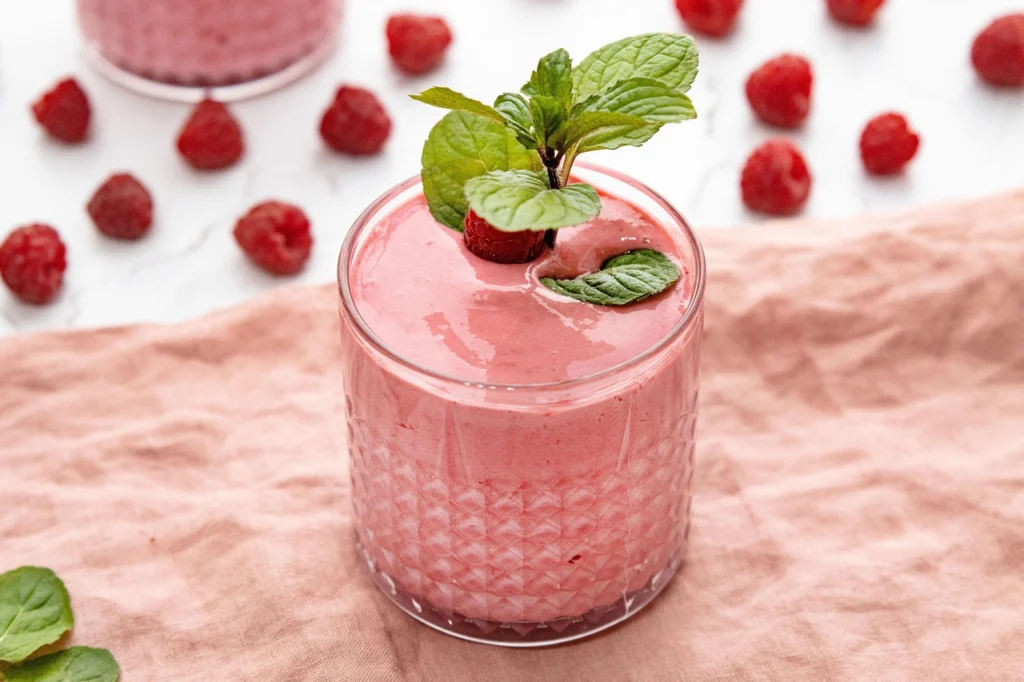
Short answer: The best protein powder for smoothies depends on your dietary needs and taste preferences. Whey isolates blend smoothly and have a neutral taste, while plant-based powders like pea or brown rice work well for vegans. Look for minimal additives, third-party testing, and a protein content of at least 20 grams per serving for a satisfying shake.
Key takeaways
- Choose based on your dietary needs: whey for fast absorption, plant-based for vegan.
- Neutral-flavored powders are versatile for smoothies.
- Check protein content per serving; aim for 20-30 grams.
- Avoid powders with added sugars and artificial fillers.
- Texture matters: isolates blend smoother than concentrates.
- Look for third-party testing labels like NSF or Informed Choice.
What you will find here
- What to Look for in a Protein Powder for Smoothies
- Whey vs. Plant-Based: Which Is Better for Smoothies?
- Taste and Texture: What to Expect
- How Much Protein Should Your Smoothie Have?
- Other Ingredients to Watch For
- How to Test a Protein Powder Before Committing
- Choosing Based on Your Goals
- Quality and Safety Markers
- Storage and Shelf Life Tips
- Final Tips for the Perfect Protein Smoothie
Protein powder can turn a simple smoothie into a meal. But with dozens of options on the shelf, picking the right one feels overwhelming. You want something that tastes good, blends smoothly, and actually fits your nutrition goals. Here’s a straightforward guide to help you choose the best protein powder for smoothies without second-guessing your purchase.
What to Look for in a Protein Powder for Smoothies
Not all protein powders perform the same in a smoothie. Some turn gritty. Others foam up or leave a chalky aftertaste. The best options dissolve easily and have a neutral or pleasant flavor that pairs well with fruit, milk, or nut butters.
Start with the protein source. Whey protein isolate is popular because it’s high in protein per scoop and mild in taste. Whey concentrate is cheaper but has more lactose and fat, which can cause digestive issues for some people. Plant-based options like pea, brown rice, or hemp are great if you’re vegan or lactose intolerant, but they can be thicker or grainier in texture.
Check the ingredients list. Fewer ingredients usually mean less artificial junk. Look for sweeteners like stevia or monk fruit instead of aspartame or sucralose if you prefer natural options. Avoid powders with hydrogenated oils or long lists of thickeners.
Whey vs. Plant-Based: Which Is Better for Smoothies?
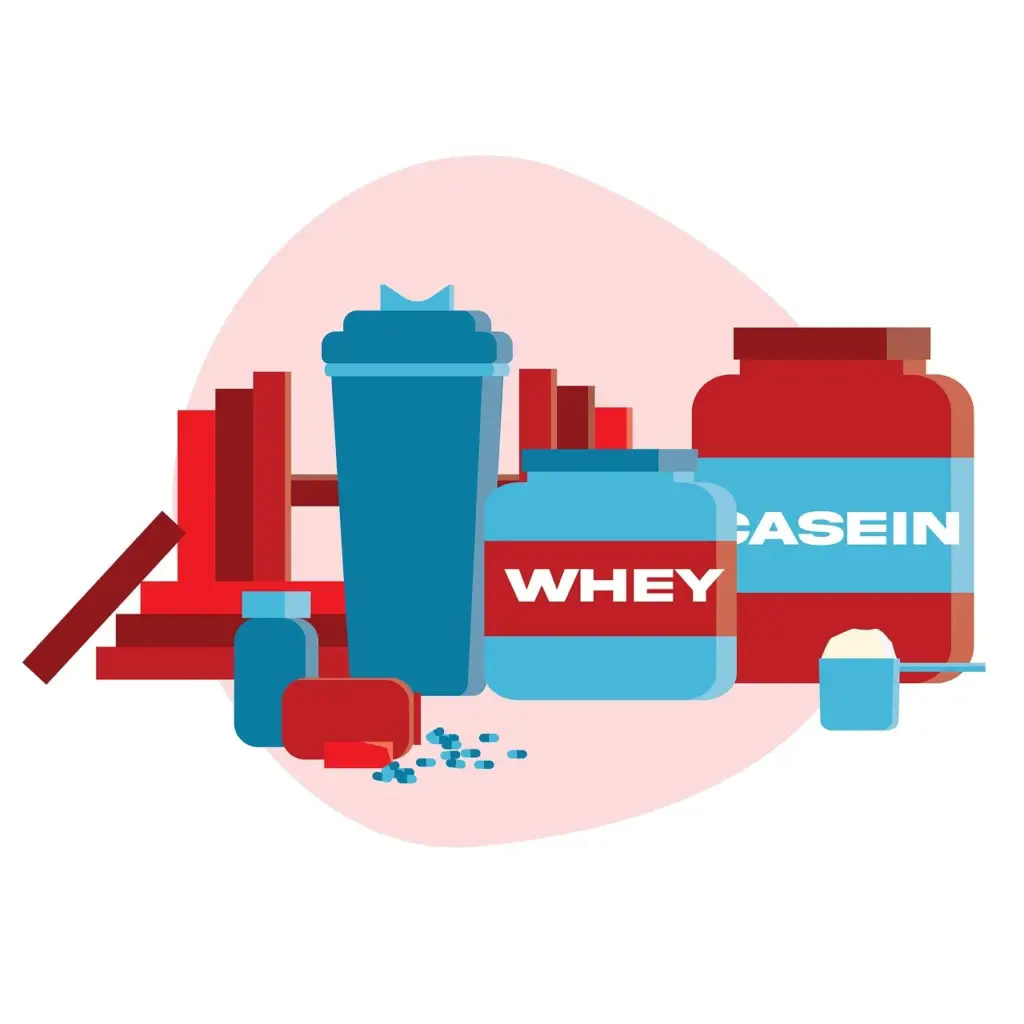
This is the biggest decision you’ll make. Whey protein comes from milk. It’s been the gold standard for decades because it’s complete, meaning it contains all essential amino acids. Whey isolates are especially fast-digesting and blend smoothly into cold liquids without clumping.
Plant-based powders are a blend of proteins like pea and brown rice to create a complete amino acid profile. They are typically thicker and might need a little more liquid or a longer blend time. But many newer plant powders have improved taste and texture significantly.
| Type | Pros | Cons |
|---|---|---|
| Whey Isolate | High protein, low carb, smooth texture, neutral taste | Not vegan, can be expensive, some find it hard to digest |
| Whey Concentrate | Cheaper, more creamy, contains beneficial fats | Higher lactose, may cause bloating, lower protein per gram |
| Pea Protein | Vegan, hypoallergenic, good amino profile | Grainier texture, some dislike the taste |
| Brown Rice Protein | Very gentle on stomach, vegan | Incomplete protein on its own, often grainy |
| Hemp Protein | Contains omega-3s, minimal processing | Lower protein content, fiber-heavy texture |
For most people, a good whey isolate or a high-quality pea-and-rice blend works well. If you’re choosing plant-based, look for a product that says “complete protein” or lists multiple plant sources.
Taste and Texture: What to Expect
Even the healthiest protein powder won’t help if you dread drinking it. Taste is subjective, but there are general patterns. Whey isolates tend to have a clean, slightly sweet taste. Plant-based powders often have a bean-like or earthy flavor, though brands now use natural flavorings and stevia to mask it.
Texture varies a lot. Whey isolates dissolve almost instantly in a shaker. Concentrates can be creamier but may leave tiny particles. Pea protein can feel gritty if not blended thoroughly. Brown rice protein is often the grainest. Hemp protein is heavy and absorbs liquid, making smoothies thick and dense.
To improve texture, blend your smoothie for at least 30 seconds instead of just shaking. Use a high-speed blender if possible. Adding a banana or avocado can also smooth out grittiness and add creaminess.
How Much Protein Should Your Smoothie Have?
Protein needs vary by your body and goals. A typical smoothie might have one scoop of protein powder, which usually provides 20 to 25 grams of protein. That’s a good amount for a post-workout shake or a meal replacement.
If you’re trying to build muscle, you might want two scoops (40-50 grams). But be careful: very high protein loads can lead to digestive discomfort. Start with one scoop and see how you feel. If you’re using smoothies as a snack, 15-20 grams of protein is plenty.
Check the scoop size on the label. Not all brands use the same scoop volume. Some labels say one scoop equals 30 grams of powder, but others might use a larger scoop. Always read the nutrition panel for protein per serving, not just the number of scoops.
Other Ingredients to Watch For
Many protein powders contain more than just protein. Common additives include gums (xanthan, guar), artificial sweeteners, flavor enhancers, and thickeners. Some of these improve texture; others are just filler.
- Artificial sweeteners: Sucralose, aspartame, acesulfame potassium. They add sweetness without calories but can cause bloating or aftertaste in some people.
- Natural sweeteners: Stevia, monk fruit. Generally well-tolerated but can leave a licorice-like aftertaste in some brands.
- Thickeners: Xanthan gum, guar gum. They help smoothies stay thick but can cause gas if you’re sensitive.
- Enzymes: Lactase, bromelain. Added to aid digestion. These can be helpful if you’re sensitive to lactose or want easier protein digestion.
If you have a sensitive stomach, try a protein powder with minimal ingredients. Many companies offer “clean” labels with no artificial sweeteners and no gums. These tend to be pricier but easier on digestion.
How to Test a Protein Powder Before Committing
It’s hard to know if a protein powder works until you try it. To avoid wasting money, look for these options:
- Buy single-serving packets: Many brands sell sample packs. Try two or three before buying a full tub.
- Read reviews for texture: Look for comments about “gritty” or “smooth” in product reviews.
- Check return policies: Some stores accept returns if you don’t like the taste.
- Start with unflavored: Unflavored protein powder is more forgiving. You can sweeten and flavor it with fruit, cocoa, or vanilla extract.
A quick test: Mix one scoop of protein powder with 8 ounces of water in a shaker bottle. Shake it for 10 seconds. If it clumps, foams excessively, or leaves a grainy mouthfeel, it might not be ideal for smoothies.
Remember, cooking tools and techniques matter too. For tips on preparing ingredients efficiently, check out our guide on how to choose the best nonstick pan for your kitchen. A good kitchen setup makes smoothie prep faster and less messy.
Choosing Based on Your Goals
Your reason for drinking protein smoothies matters. Here’s a quick breakdown:
- Weight loss: Look for a lean protein powder with no added sugar or fat. A scoop should have under 2 grams of carbs and under 2 grams of fat. Whey isolate or pea isolate work well. Pair it with low-calorie fruit and water or unsweetened almond milk. For more on building balanced meals, read our article on how to build a balanced plate for weight loss.
- Muscle gain: You can use a calorie-dense powder with more carbs and fat. Look for mass gainers or simply add nut butter, oats, and whole milk to a standard powder. Whey concentrate or a blended plant protein fits here.
- Everyday health: Any decent protein powder works. Choose based on taste and tolerance. A mixed protein blend (whey and casein) can keep you full longer, which is helpful for meal replacement.
Pay attention to how your body reacts. Some people get bloated with dairy-based protein. Others feel heavy after plant-based powders. Trust your gut.
Quality and Safety Markers
Not all protein powders are created equal. Third-party testing gives you confidence that the label matches what’s inside. Look for these seals on the package:
- NSF Certified for Sport – tests for banned substances and verifies ingredients.
- Informed Choice – similar to NSF, focuses on purity and banned substances.
- USP Verified – checks that the product contains what’s on the label.
- Non-GMO Project Verified – ensures no genetically modified ingredients.
These seals are more common on higher-end brands. Low-cost powders may skip testing to save money. If you’re an athlete or have dietary restrictions, spending extra on a certified product can be worthwhile.
Storage and Shelf Life Tips
Once you open a tub, proper storage keeps the powder fresh. Store it in a cool, dry place, away from direct sunlight and humidity. Do not keep it in the refrigerator—moisture can cause clumping or mold. Use a clean, dry scoop each time. Most powders last 6 to 12 months after opening if stored correctly. If the powder smells off, looks discolored, or has clumps that don’t break apart easily, it’s time to replace it.
Final Tips for the Perfect Protein Smoothie
Once you’ve chosen your powder, follow these simple steps to make a great smoothie:
- Add liquid first (milk, water, or plant milk) to help blending.
- Add protein powder next, then fruit and other add-ins.
- Blend on low for 15 seconds, then high for 30 seconds.
- If it’s too thick, add more liquid a tablespoon at a time.
- If it’s too thin, add ice or a frozen banana.
Protein powder doesn’t have to be a guessing game. Stick to your dietary needs, check the ingredient list, and pay attention to taste and texture. The best protein powder for smoothies is the one you’ll actually drink every day. Pair your smoothie habit with other kitchen skills, like avoiding common mistakes when using your Instant Pot to cook grains or beans to add to your smoothies for extra nutrition.
Frequently asked questions
Which protein powder blends best in smoothies?
Whey protein isolate blends the smoothest and dissolves easily even in cold liquids. Plant-based powders like pea and brown rice blends can be grainier, but high-quality brands have improved texture. Adding a frozen banana or using a high-speed blender helps any powder mix more evenly.
Is it okay to use flavored protein powder in smoothies?
Yes, flavored powders like vanilla or chocolate work well and can enhance your smoothie’s taste. Unflavored gives you more flexibility to control sweetness and add flavors like cocoa or fruit. Avoid heavily sweetened powders if you are watching sugar intake.
Can I use protein powder for meal replacement smoothies?
Yes, but make sure the smoothie includes enough calories and nutrients. Add healthy fats like nut butter or avocado and complex carbs like oats or fruit. Aim for at least 300-400 calories and 15-20 grams of protein for a satisfying meal replacement.
How do I store protein powder to keep it fresh?
Store protein powder in a cool, dry place away from heat and moisture. Keep the lid tightly sealed after each use. Avoid storing it in the refrigerator because condensation can cause clumping. Most powders stay fresh for 1-2 years unopened, but use within 6 months of opening.
What protein powder is best for lactose intolerance?
Whey protein isolate has very low lactose and is often tolerated by lactose-sensitive people. Plant-based powders like pea, brown rice, or soy are completely lactose-free. Look for products labeled “lactose-free” or try a pea protein isolate for minimal digestive issues.