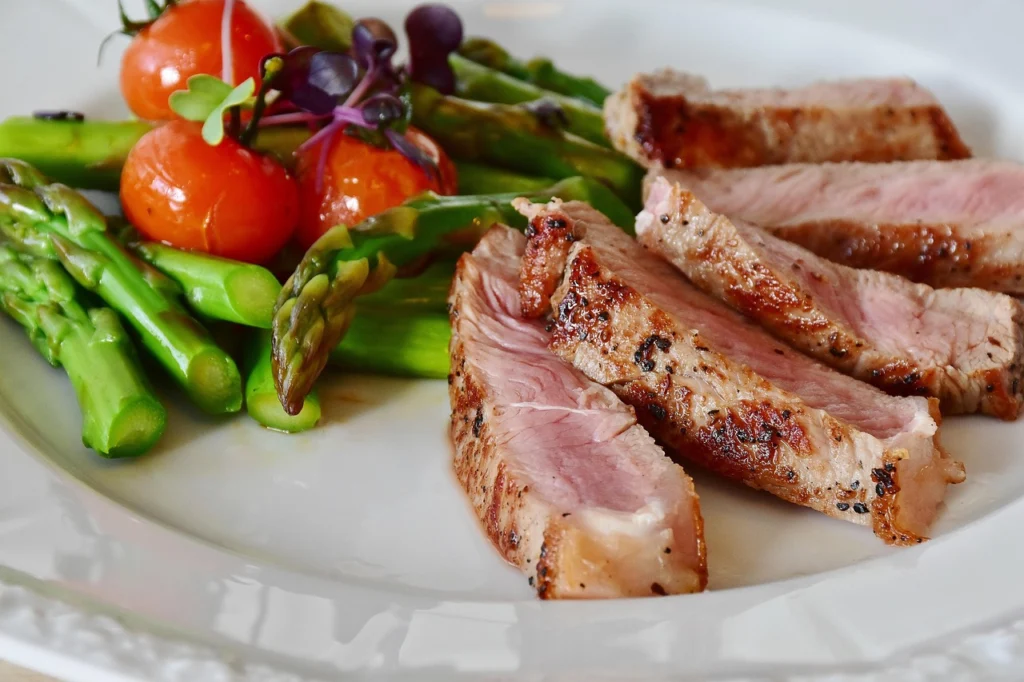
Short answer: A balanced plate for weight loss fills half with non-starchy vegetables, one quarter with lean protein, and one quarter with complex carbohydrates, plus a small amount of healthy fat. This method naturally controls calories while keeping you full and nourished.
Key takeaways
- Fill half your plate with non-starchy vegetables at every meal.
- One quarter should be lean protein like chicken, fish, or tofu.
- One quarter is for complex carbs such as quinoa or sweet potatoes.
- Add a small serving of healthy fat (like avocado or olive oil).
- This plate method helps control portions without counting calories.
What you will find here
- What Is a Balanced Plate for Weight Loss?
- Why the Plate Method Works for Weight Loss
- How to Fill Each Section of Your Plate
- A Sample Balanced Plate Comparison
- How to Apply the Plate Method to Any Meal
- Practical Tips for Success
- Common Mistakes and How to Avoid Them
- Adjusting the Plate Method for Specific Goals
- How to Handle Cravings and Social Situations
- Final Thoughts on Building a Balanced Plate
Forget complicated diets and calorie counting. The simplest way to lose weight without feeling deprived is to build a balanced plate. You don’t need to measure every gram or eliminate entire food groups. Instead, you can use a visual guide to portion out your meals. This approach, often called the plate method, gives you a clear structure so you can eat satisfying meals that naturally support weight loss.
What Is a Balanced Plate for Weight Loss?
A balanced plate divides your meal into three simple sections: half vegetables, one quarter protein, and one quarter carbohydrates. Add a small amount of healthy fat, and you have a meal that provides steady energy, keeps you full for hours, and helps you eat fewer calories without hunger. This method works across most cuisines and dietary preferences, whether you eat meat, are vegetarian, or follow a gluten-free diet.
The magic of this approach is that it doesn’t restrict. You still eat carbs and fats. You just adjust the proportions. By filling half your plate with low-calorie, high-fiber vegetables, you naturally reduce the room for calorie-dense foods. The protein and carbs you do eat are the right amounts to support your metabolism and muscle maintenance.
Why the Plate Method Works for Weight Loss
The plate method works because it addresses the main reasons people struggle with weight loss: portion distortion and lack of satiety. When your plate is mostly vegetables, you get a large volume of food for very few calories. Fiber from veggies and complex carbs slows digestion and keeps blood sugar stable. Protein signals hormones that reduce hunger. Healthy fats enhance flavor and help you absorb fat-soluble vitamins.
This method also simplifies grocery shopping and cooking. You don’t need to look up calorie counts or track macros. You just follow the visual template. Over time, you learn to estimate portions, making it easier to eat well when dining out or traveling.
How to Fill Each Section of Your Plate
Half Your Plate: Non-Starchy Vegetables
Non-starchy vegetables are the foundation. They include leafy greens, broccoli, cauliflower, bell peppers, zucchini, cucumber, tomatoes, asparagus, green beans, mushrooms, and cabbage. These vegetables are low in calories but high in water and fiber, which helps you feel full. Aim for a variety of colors to get a range of nutrients.
How to prepare them: Roast, steam, sauté with a little olive oil, or eat them raw. Avoid drowning them in heavy sauces or cheese. A simple squeeze of lemon, a sprinkle of herbs, or a dash of balsamic vinegar adds flavor without many calories.
One Quarter: Lean Protein
Protein is crucial for weight loss because it preserves muscle mass and keeps you satisfied. Good sources include chicken breast, turkey, fish (salmon, cod, tuna), eggs, tofu, tempeh, legumes (lentils, chickpeas, black beans), and low-fat dairy like Greek yogurt or cottage cheese.
Portions: A serving size is roughly the size of your palm or a deck of cards. For plant-based proteins like beans, aim for about half a cup cooked. If you’re active, you may need a slightly larger portion. If you’re not sure how much to use, when cooking with tofu, press it first to remove excess water so it browns better and absorbs marinade.
One Quarter: Complex Carbohydrates
Carbs are not the enemy. Choose whole, unprocessed sources that provide fiber and nutrients. Examples include quinoa, brown rice, oats, sweet potatoes, whole wheat pasta, barley, and whole grain bread. Avoid refined carbs like white bread, white rice, and sugary cereals, which spike blood sugar and leave you hungry.
Portions: A serving is about the size of your cupped hand or half a cup cooked. If you are very active or have higher calorie needs, you can increase this slightly. Watch out for hidden carbs in sauces and dressings—check labels if buying prepared versions.
Add Healthy Fats
Fats are calorie-dense, so you only need a small amount. Healthy sources include avocado, olive oil, nuts, seeds, and fatty fish. Add a tablespoon of olive oil for cooking or a quarter of an avocado as a topping. A small handful of nuts makes a good snack but watch portions—they can add up quickly.
A Sample Balanced Plate Comparison
| Component | Unbalanced Plate | Balanced Plate |
|---|---|---|
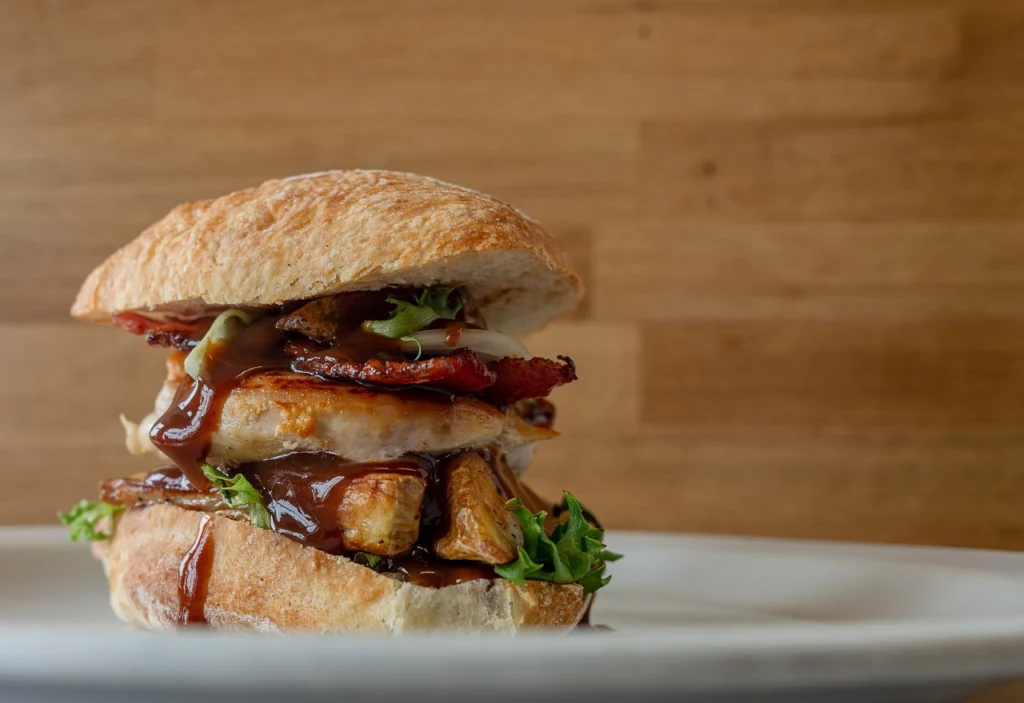
| Vegetables | None or small side salad | Large portion of roasted broccoli and bell peppers |
| Protein | Fried chicken, large portion | Grilled chicken breast, palm-sized |
| Carbs | Large mound of white rice | Quinoa, half cup cooked |
| Fat | Creamy sauce or fried batter | Drizzle of olive oil on vegetables |
The unbalanced plate is high in calories and low in volume. The balanced plate gives you more food for fewer calories, keeping you satisfied longer.
How to Apply the Plate Method to Any Meal
The plate method isn’t just for dinner. Use it for lunch and even breakfast with some adjustments. For breakfast, fill half your plate with vegetables like spinach, tomatoes, or mushrooms. Add eggs or Greek yogurt as protein, and include a small serving of whole grains like oatmeal or whole grain toast. Add a small amount of healthy fat like avocado or nuts.
For lunch and dinner, the template works exactly as described. If you’re eating soup or stew, try to keep the same ratios—more vegetables, moderate protein and carbs. Salads are easy: load up on greens and veggies, add a protein, and keep grains and dressing in reasonable portions. When eating out, order a salad or extra vegetables on the side to fill half your plate mentally.
Practical Tips for Success
Prep Ahead for Easy Meals
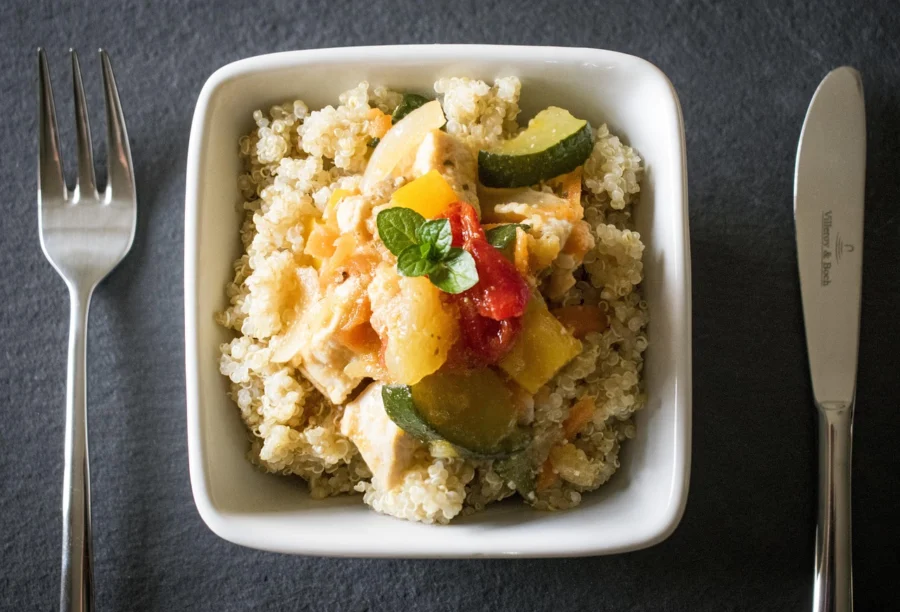
Meal prep is your biggest ally. Wash and chop vegetables so you can grab them quickly. Cook a batch of quinoa or brown rice at the start of the week. Grill or bake several servings of chicken or tofu. When you’re hungry and tired, having prepped ingredients makes it easy to assemble a balanced plate in minutes. For guidance on cooking quinoa perfectly, check out How to Cook Quinoa Perfectly Every Time.
Use the Right Cookware
Cooking without excess oil is easier with a good nonstick pan. You can sauté vegetables and proteins with minimal oil, saving calories. Read How to Choose the Best Nonstick Pan for Your Kitchen for tips on selecting one that lasts.
Don’t Forget Flavor
Healthy food should taste good. Use herbs, spices, citrus, vinegar, and garlic to add flavor without calories. A simple dressing of lemon juice, olive oil, and Dijon mustard can transform a bowl of vegetables. If you enjoy dips like hummus, learn why it can turn grainy and how to fix it to keep your snacks smooth and satisfying.
Choose Cooking Oils Wisely
Not all oils are created equal for high-heat cooking. Some break down and produce harmful compounds. For stir-frying or roasting at higher temperatures, choose oils with a high smoke point like avocado oil or grapeseed oil. For more details, read Best Oil for High-Heat Cooking: A Comparison Guide.
Common Mistakes and How to Avoid Them
Mistake 1: Skimping on vegetables. People often fill only a third of their plate with veggies, or none at all. Commit to the half-plate rule. If you’re not used to eating many vegetables, gradually increase the portion. Roasting or adding a flavorful dressing can help.
Mistake 2: Overdoing the carbs. Even healthy carbs can derail weight loss if portions are too large. Use your cupped hand as a guide. If you’re still hungry after finishing your plate, eat more vegetables, not more carbs.
Mistake 3: Forgetting protein. A meal without protein leaves you hungry sooner. Make sure you have a palm-sized portion. If you’re vegetarian, combine legumes with whole grains for a complete protein.
Mistake 4: Ignoring fats. Fat is essential for hormone function and nutrient absorption. Just keep portions small. Use measuring spoons until you learn what a tablespoon looks like.
Mistake 5: Not adjusting for your needs. This method is a starting point. If you’re very active or have a high metabolism, you may need larger portions of carbs or protein. Listen to your body and adjust as needed.
Adjusting the Plate Method for Specific Goals
If you’re very active or trying to build muscle, shift the proportions slightly. Aim for half vegetables, one third protein, and one third carbs, keeping fats moderate. This provides more energy and protein for recovery. On the other hand, if you’re trying to lose weight faster or are less active, reduce the carbs to one fifth of the plate and increase vegetables to three fifths. Keep protein at one fifth. The fat stays the same. These adjustments let you tailor the method to your personal needs without overcomplicating things.
How to Handle Cravings and Social Situations
Cravings happen, especially when you’re surrounded by less healthy options. One strategy: before a meal or event where you might overindulge, eat a small balanced plate at home. For example, have a handful of raw veggies and a hard-boiled egg. This takes the edge off your hunger, making it easier to make smart choices later. At parties or restaurants, scan the buffet or menu for options that fit the plate template. Fill half your plate with vegetables first, then add protein and carbs. Skip or limit sauces and dressings, or ask for them on the side. If dessert is calling, choose a small portion of fruit or a few bites of something indulgent—not a full serving. This way, you stay in control without feeling deprived.
Final Thoughts on Building a Balanced Plate
Building a balanced plate for weight loss doesn’t have to be complicated. Start with the visual guide of half vegetables, a quarter protein, and a quarter carbs, plus a little healthy fat. Use it for most of your meals. Within a week, you’ll notice better energy levels, fewer cravings, and easier portion control. The key is consistency, not perfection. If you have a meal that’s off-balance, just get back on track with the next one. Over time, this simple habit can transform the way you eat and help you reach your weight loss goals without feeling restricted.
Frequently asked questions
Can I use the plate method if I’m vegetarian or vegan?
Yes. For protein, choose tofu, tempeh, legumes, seitan, or edamame. For complex carbs, rely on quinoa, brown rice, whole grains, and starchy vegetables like sweet potatoes. Non-starchy vegetables and healthy fats remain the same. This method works for any dietary preference.
How many calories does a balanced plate typically contain?
A balanced plate ranges from about 400 to 600 calories, depending on your choices and portion sizes. For example, a plate with roasted chicken, quinoa, and broccoli with olive oil is around 450 calories. Adjust portions to meet your individual calorie needs for weight loss.
Do I need to measure my food exactly?
No. The plate method is visual, not precise. Use your hand as a guide: a palm of protein, a cupped hand of carbs, and fill the rest with vegetables. A thumb of fat (like oil or avocado) is enough. Over time, you’ll get better at estimating.
What if I’m still hungry after eating a balanced plate?
Eat more non-starchy vegetables. They are low in calories and high in fiber. You can also have a small piece of fruit or a cup of herbal tea. If you’re often hungry, check your protein portion—it might be too small, or you may need more fat.
Can I use this method for weight maintenance after losing weight?
Absolutely. The plate method is a sustainable way to eat for lifelong health. For maintenance, you may slightly increase your portions of protein, carbs, and fat while keeping the vegetable base. It’s a flexible framework that adapts to your changing needs.
1 thought on “How to Build a Balanced Plate for Weight Loss”