Short answer: The best oils for high-heat cooking are those with high smoke points, such as avocado oil (520°F), ghee (485°F), and refined coconut oil (450°F). These oils resist breaking down under heat, making them ideal for frying, searing, and roasting.
Key takeaways
- Smoke point is the temperature where oil starts to break down and smoke.
- Avocado oil has the highest smoke point at 520°F.
- Refined oils have higher smoke points than unrefined.
- Extra-virgin olive oil is best for low-heat or finishing.
- Ghee and clarified butter work well for medium-high heat.
- Store oils away from light and heat to preserve quality.
What you will find here
- What Does Smoke Point Mean and Why Does It Matter?
- Top Oils for High-Heat Cooking: A Comparison Table
- How Refined Oils Compare to Unrefined Oils
- Avocado Oil: The High-Heat Champion
- Ghee and Clarified Butter for Rich Flavor
- Canola, Vegetable, and Peanut Oils: Reliable Budget Options
- What About Olive Oil for High Heat?
- Coconut Oil and Sesame Oil: Niche Players
- Tips for Storing Cooking Oils
- How to Choose the Right Oil for Your Cooking Method
When you crank up the heat for a seared steak or a batch of crispy fries, the oil you choose matters more than you might think. The wrong oil can burn, smoke, and even produce unpleasant flavors or harmful compounds. So what’s the best oil for high-heat cooking? It’s not a one-size-fits-all answer, but you can make a smart choice once you understand smoke points, flavor, and how refined oils differ from unrefined. Let’s compare the top contenders.
What Does Smoke Point Mean and Why Does It Matter?
The smoke point is the temperature at which an oil starts to break down, producing visible smoke and chemical changes. When oil reaches its smoke point, it can release free radicals and a compound called acrolein, which gives food a burnt, bitter taste. For high-heat cooking — deep frying (typically 350-375°F), pan searing (400-450°F), or roasting (400-450°F) — you need an oil with a smoke point well above your cooking temperature.
Oils with smoke points below 400°F are best reserved for low-heat cooking, dressings, or drizzling. Using them for high heat can ruin both the food and the oil, and it may create potentially harmful substances. So always match the oil to the heat. A good rule of thumb: pick an oil with a smoke point at least 50°F higher than your cooking temperature. That leaves a safety margin for temperature spikes on the stove or in the oven.

Top Oils for High-Heat Cooking: A Comparison Table
Here’s a quick reference showing the smoke points and best uses for common high-heat oils:
| Oil | Smoke Point (°F) | Best Uses | Flavor |
|---|---|---|---|
| Avocado oil | 520 | Searing, frying, roasting | Neutral, buttery |
| Ghee (clarified butter) | 485 | Searing, sautéing, roasting | Rich, nutty |
| Refined coconut oil | 450 | Frying, baking | Neutral (refined) |
| Refined canola oil | 450 | Deep frying, baking | Neutral |
| Refined peanut oil | 450 | Deep frying, stir-frying | Subtle nutty |
| Sesame oil (refined) | 410 | Stir-frying, sautéing | Mild sesame |
| Extra-virgin olive oil | 325-375 | Low-heat, dressings, finishing | Fruity, peppery |
As you can see, avocado oil and ghee stand out for the highest smoke points. But your choice may also depend on flavor preference and dietary needs. For example, ghee adds a rich taste, while avocado oil stays neutral. Keep this table handy when deciding which oil to reach for.
How Refined Oils Compare to Unrefined Oils
Refined oils have been processed to remove impurities, which raises their smoke point. Unrefined (or cold-pressed) oils retain more flavor and nutrients but have lower smoke points. For high-heat cooking, refined oils are usually the safer bet. Look for terms like “refined,” “light,” or “high-oleic” on the label. That said, some unrefined oils, like avocado oil, still have a relatively high smoke point (around 480°F for unrefined) and can be used for medium-high heat.
The trade-off: refined oils may lose some beneficial compounds during processing, such as antioxidants. But for high heat, you want stability over nutrient density — the heat will destroy many delicate nutrients anyway. So don’t feel guilty about using a neutral refined oil when you’re searing a steak. If you prefer unrefined oils for their flavor or perceived health benefits, just reserve them for lower temperatures.

Avocado Oil: The High-Heat Champion
Avocado oil has become a favorite for high-heat cooking due to its sky-high smoke point of 520°F for refined versions. It has a mild, buttery flavor that doesn’t overpower food. It’s rich in monounsaturated fats, which are heart-healthy, and it contains vitamin E. You can use it for searing, grilling, roasting vegetables, and even baking. If you only buy one high-heat oil, make it avocado oil.
One downside: It can be more expensive than canola or vegetable oil. But a little goes a long way, and you can often find it in larger bottles at a reasonable price. If you’re on a budget, you can reserve avocado oil for the highest-heat tasks and use canola for moderate frying. Another tip: buy avocado oil in a dark glass bottle to protect it from light, or transfer it to a pantry-safe container.
Ghee and Clarified Butter for Rich Flavor
Ghee is butter that has been simmered to remove the milk solids, leaving behind pure butterfat. It has a smoke point of 485°F, much higher than regular butter (350°F). Its nutty, rich flavor adds depth to foods like roasted potatoes, sautéed greens, and seared fish. Ghee is also lactose-free, making it suitable for many dairy-sensitive people.
You can buy ghee at most grocery stores, or you can make it at home by slowly melting butter and skimming off the foam. It stores well at room temperature for months. For medium-high heat, ghee is a top choice when you want flavor that complements the dish. But use it carefully: because it’s pure fat, it’s calorie-dense and has a distinct taste that may not suit every cuisine.
Canola, Vegetable, and Peanut Oils: Reliable Budget Options
These common oils are refined and have smoke points around 400-450°F, making them suitable for deep frying and general high-heat cooking. Canola oil is inexpensive and neutral, so it won’t affect the taste of your food. Peanut oil adds a subtle nuttiness popular in Asian stir-fries and deep frying. Vegetable oil is typically a blend that’s also neutral and reliable.
One thing to consider: Canola and vegetable oils are often highly processed and may contain more omega-6 fatty acids than some people prefer. For occasional high-heat cooking, they’re fine. But if you cook with high heat daily, you might want to rotate with oils that are higher in monounsaturated fats, like avocado oil. Also, note that peanut oil is a common allergen, so avoid it if you’re cooking for someone with peanut allergies.
What About Olive Oil for High Heat?
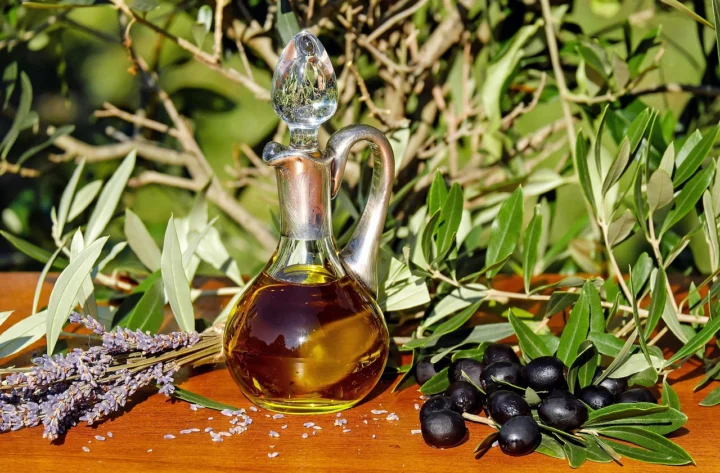
There’s a persistent myth that you should never cook with extra-virgin olive oil at high heat. In reality, extra-virgin olive oil has a smoke point around 375°F, which is fine for sautéing vegetables over medium heat. But for searing or deep frying, it’s too low. The oil will smoke and lose its fruity flavor.
If you want olive oil for high heat, choose a “light” or “refined” olive oil. These have been processed to remove flavor compounds and raise the smoke point to about 465°F. They still contain healthy monounsaturated fats but won’t have the robust olive taste. Use them for roasting and grilling where you want a hint of olive oil character without the burn. When you need a strong olive flavor, add a drizzle of extra-virgin after cooking.
Coconut Oil and Sesame Oil: Niche Players
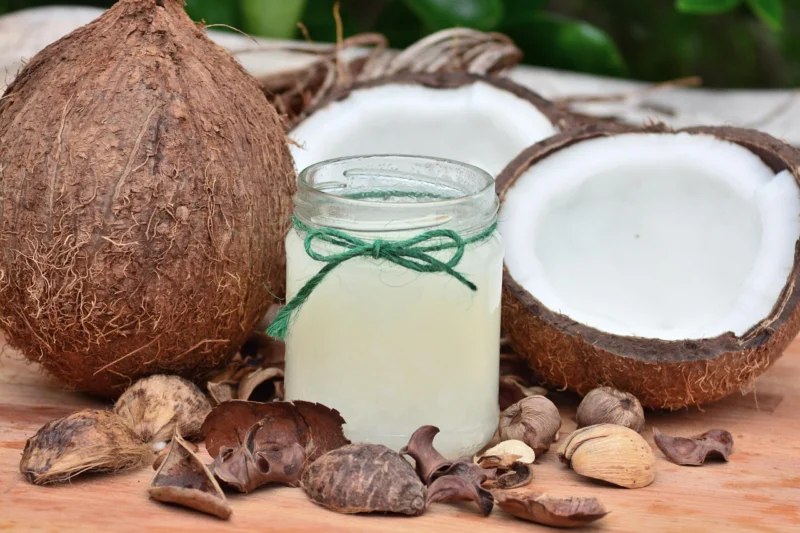
Refined coconut oil (smoke point 450°F) is great for baking and frying where you don’t want a coconut flavor. Unrefined coconut oil (350°F) adds a tropical note but is better for low-heat uses. Coconut oil is high in saturated fat, which makes it stable for heat, but its health effects are debated. If you use it, stick with refined for high heat.
Sesame oil is usually used in small amounts for flavor. Refined sesame oil can handle up to 410°F, but most home cooks use toasted sesame oil (unrefined) for finishing drizzles. Don’t use toasted sesame oil for high-heat stir-frying — it will burn and turn bitter. Instead, do as many Asian cooks do: use a neutral high-heat oil for cooking, then add toasted sesame oil at the end. Also, store your sesame oil in the refrigerator to keep it fresh longer.
Tips for Storing Cooking Oils
Even the best oil for high-heat cooking can go bad if not stored correctly. Oils degrade when exposed to light, heat, and oxygen. Here’s how to keep them fresh:
- Store in a cool, dark place. A pantry away from the stove is ideal. Avoid windowsills or countertops near the heat.
- Use dark glass or metal containers. Light speeds up oxidation, so oils sold in clear bottles should be used faster. Consider transferring them to a dark bottle if you have one.
- Seal tightly after each use. Oxygen accelerates rancidity. Wipe the bottle rim and cap clean before closing.
- Don’t store oil near the stove. The heat from cooking can shorten its shelf life. Keep a small bottle by the stove and the rest in the pantry.
- Check for signs of spoilage. Rancid oil smells like crayons, paint, or putty. If it smells off, toss it. For best quality, use oils within their manufacturer’s recommended shelf life after opening.
How to Choose the Right Oil for Your Cooking Method
Your choice of oil should match not just the temperature but also the cooking technique. For deep frying, where you maintain a steady 350-375°F for a long time, choose an oil with a smoke point above 400°F, like peanut or canola. For pan searing, where you need intense heat for a few minutes, avocado or ghee work best. For roasting and grilling, any oil above 450°F is fine. For stir-frying over high heat, refined peanut or canola oil are classic choices. And for sautéing at medium heat, extra-virgin olive oil or butter can still work if you watch the pan closely.
A common mistake is using the same oil for everything. Instead, keep two or three oils in your kitchen: one for very high heat (avocado or ghee), one all-purpose neutral oil (canola or peanut), and one for flavor (extra-virgin olive oil or toasted sesame). That way you always have the right tool for the job.
For more kitchen tips and meal prep advice, check out our guide to getting started with meal prep.
Frequently asked questions
What is the best oil for deep frying?
The best oil for deep frying has a high smoke point and a neutral flavor. Avocado oil (520°F), refined peanut oil (450°F), and refined canola oil (450°F) are all excellent choices. They can withstand the high temperatures needed for crispy results without burning or imparting off-flavors.
Can you reuse oil after frying?
Yes, you can reuse frying oil if it’s been filtered and stored properly. After frying, let the oil cool, then strain it through a fine-mesh sieve or cheesecloth to remove food particles. Store it in a clean, airtight container in a cool, dark place. You can reuse it 2-3 times, but discard it if it becomes dark, thick, or smells rancid.
Is extra-virgin olive oil safe for high-heat cooking?
Extra-virgin olive oil has a relatively low smoke point (325-375°F), so it’s not ideal for high-heat methods like searing or deep frying. It works fine for gentle sautéing over medium heat. Using it at very high heat can produce smoke and develop bitter flavors.
What oil has the highest smoke point?
Avocado oil, especially the refined version, has the highest smoke point of common cooking oils — up to 520°F. This makes it the best choice for extremely high-heat cooking such as searing steaks, grilling, and wok cooking.
Is ghee better than butter for high-heat cooking?
Yes, ghee is much better than butter for high-heat cooking. Butter has a smoke point of around 350°F, while ghee can reach 485°F because the milk solids (which burn easily) have been removed. Ghee also adds a rich, nutty flavor that enhances many dishes.
1 thought on “Best Oil for High-Heat Cooking: A Comparison Guide”