Short answer: Steel-cut oats are slightly healthier than rolled oats because they are less processed, have a lower glycemic index, and retain more fiber. However, both are whole grains and nutritious. Rolled oats cook faster and work better for baking.
Key takeaways
- Steel-cut oats have a lower glycemic index than rolled oats.
- Rolled oats cook in 5-10 minutes; steel-cut take 20-30 minutes.
- Both provide similar fiber and protein per serving.
- Steel-cut oats are less processed and keep you full longer.
- Rolled oats are better for overnight oats and baking.
- Choose based on your time, texture preference, and blood sugar needs.
What you will find here
- What Are Steel-Cut Oats and Rolled Oats?
- Nutritional Comparison: Steel-Cut vs Rolled Oats
- Which Oat Is Better for Weight Loss?
- Cooking and Texture Differences
- Which Oat Should You Choose? A Quick Guide
- Common Mistakes and How to Avoid Them
- How to Cook Steel-Cut Oats Perfectly Every Time
- How to Cook Rolled Oats Perfectly Every Time
- How to Add Protein and Flavor Without Sugar
- How to Store and Reheat Oatmeal
- Final Verdict: Which Is Healthier?
Oatmeal is a breakfast staple for good reason: it’s filling, versatile, and packed with fiber. But when you stand in the cereal aisle staring at steel-cut oats and rolled oats, it’s easy to wonder which one is actually better for you. While both start from the same whole oat groat, they are processed differently, affecting how your body digests them and how they fit into your daily routine. This guide breaks down the differences so you can make an informed choice.
What Are Steel-Cut Oats and Rolled Oats?
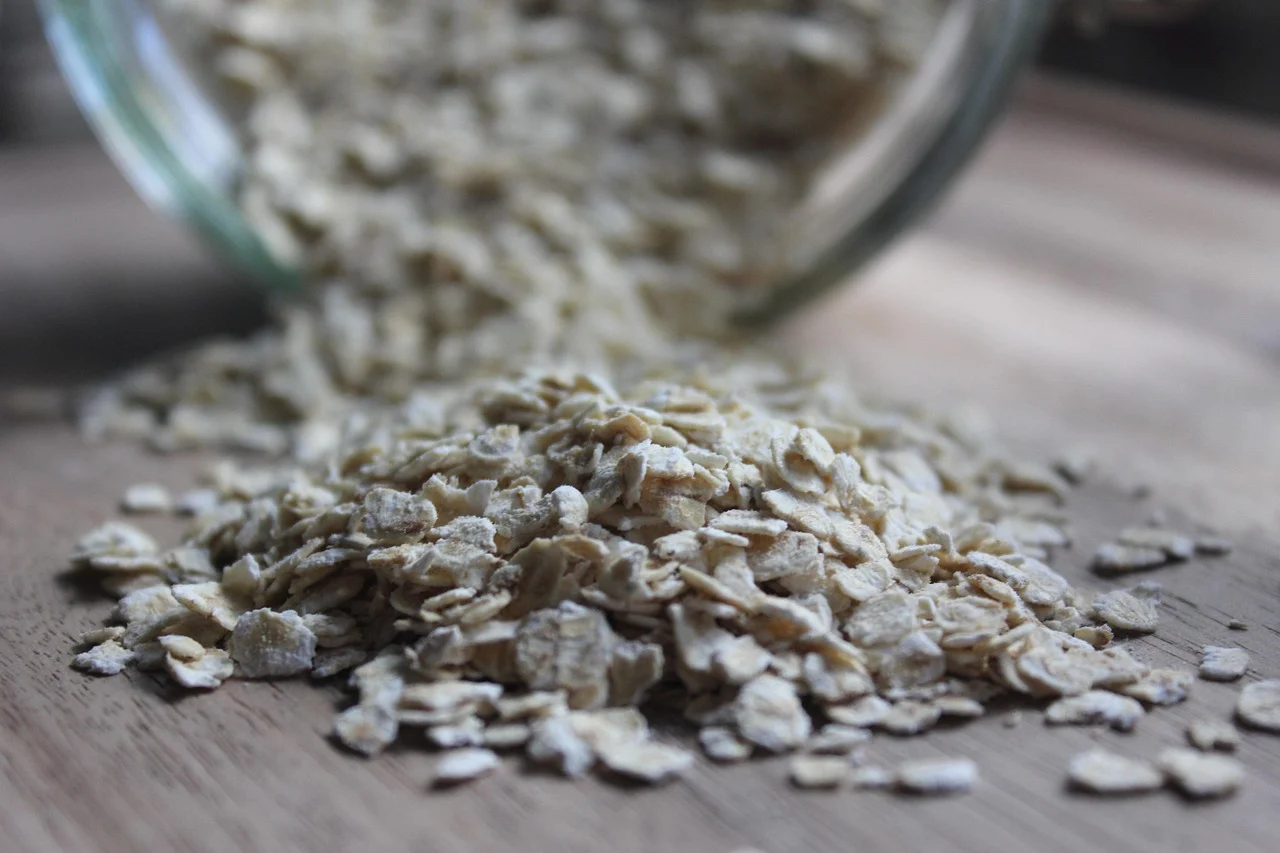
Steel-cut oats, also called Irish or pinhead oats, are whole oat groats that have been chopped into two or three pieces with a steel blade. They are minimally processed, so they look like small, rough grains. Rolled oats, often labeled old-fashioned oats, are steamed and then flattened into flakes with large rollers. Quick-cooking oats are simply rolled oats cut into smaller pieces and steamed longer.
Because steel-cut oats are less processed, they take longer to cook—typically 20 to 30 minutes on the stove. Rolled oats cook in about 5 to 10 minutes. The extra processing of rolled oats also changes how your body handles them, which is key to understanding which is healthier for you.
Nutritional Comparison: Steel-Cut vs Rolled Oats
Let’s look at the numbers for a standard serving of dry oats (about 1/4 cup or 40 grams). Both types come from the same whole grain, so their nutritional profiles are very similar, but there are small differences worth noting.
| Nutrient (per 40g dry) | Steel-Cut Oats | Rolled Oats |
|---|---|---|
| Calories | 150 | 150 |
| Protein | 5g | 5g |
| Fat | 2.5g | 2.5g |
| Carbohydrates | 27g | 27g |
| Fiber | 4g | 4g |
| Sugar | 0g | 0g |
The nutrition is nearly identical. Both are whole grains rich in soluble fiber, especially beta-glucan, which can help lower cholesterol and stabilize blood sugar. The main difference lies in how the processing affects glycemic index and satiety.
Glycemic Index and Blood Sugar Impact
The glycemic index (GI) measures how quickly a food raises blood sugar. Rolled oats have a GI of about 55-65 (medium to high), while steel-cut oats have a GI of around 42-55 (low to medium). The reason: the large pieces in steel-cut oats take longer to digest, resulting in a slower release of glucose into the bloodstream. For anyone managing blood sugar, including people with diabetes, steel-cut oats are the better choice. But even rolled oats are better than most breakfast cereals.
Fiber and Satiety
Both oat types contain the same amount of fiber by weight. However, because steel-cut oats are denser and require more chewing, they tend to keep you feeling full longer. A bowl of steel-cut oatmeal can keep hunger at bay for several hours, which supports balanced eating for weight management. Rolled oats, being softer and quicker to eat, may not provide the same level of satiety.
Which Oat Is Better for Weight Loss?
If weight loss is your goal, both oats can help because they are high in fiber and low in sugar. But steel-cut oats have an edge. The slower digestion keeps blood sugar stable, preventing energy crashes that often lead to cravings. Plus, the lower GI means you stay fuller longer, which can help you eat less throughout the day. That said, the difference is small. What matters more is what you add to your bowl. Loading oats with brown sugar, cream, or sweeteners can quickly turn a healthy breakfast into a calorie bomb.
Rolled oats, because they cook faster, can be more convenient for busy mornings, making it easier to stick with a healthy breakfast habit. Consistency matters more than a slight GI advantage. For meal prep, you can make a batch of steel-cut oats ahead and reheat all week—see our meal prep guide for ideas.
Cooking and Texture Differences
Steel-Cut Oats: Chewy and Nutty
Steel-cut oats have a distinctive chewy, almost nutty texture. They hold their shape well and don’t turn mushy. Cooking them takes about 20-30 minutes on the stovetop, or you can use a slow cooker overnight for hands-off preparation. The longer cooking time can be a drawback for some, but many people love the texture and flavor.
Rolled Oats: Soft and Creamy
Rolled oats cook in 5-10 minutes and produce a creamier, softer oatmeal. They absorb liquid faster and break down more, especially if you stir them. Rolled oats are also the base for overnight oats, granola, and baked goods like cookies and muffins. If you love baking, rolled oats are a pantry staple.
Quick-cooking oats are a subcategory of rolled oats that are cut finer and pre-steamed. They cook in 1-3 minutes but have a higher GI and softer texture. They are still whole grain and healthy, but they are the most processed of the three.
Which Oat Should You Choose? A Quick Guide
- For blood sugar control: Choose steel-cut oats. Their lower GI is better for diabetes or insulin resistance.
- For weight loss: Both work, but steel-cut oats provide greater satiety. Rolled oats are fine if you add protein and healthy fat.
- For convenience: Rolled oats win. They cook fast and don’t require soaking.
- For baking and recipes: Use rolled oats. Steel-cut oats won’t soften enough in baked goods.
- For meal prep: Either works. Steel-cut oats reheat well; rolled oats are great for overnight oats.
If you’re still unsure, consider alternating. Use steel-cut oats for breakfast on weekends or when you have more time, and keep rolled oats for weekdays. Both are far better than sugary cereals. For more on how to cook grains perfectly, check out our guide on cooking quinoa.
Common Mistakes and How to Avoid Them
Mistake 1: Not Using Enough Liquid
Both oats absorb a lot of water. Use a 1:3 ratio of oats to water for steel-cut (or 1:2.5 for slightly thicker), and 1:2 for rolled oats. Cook until the liquid is absorbed but still moist—add more if needed.
Mistake 2: Adding Sweeteners Too Early
If you add sugar or fruit at the start, it can prevent the oats from cooking evenly. Add sweeteners, dried fruit, or fruit after the oats are fully cooked. Fresh or frozen fruit can go in near the end.
Mistake 3: Overcooking Rolled Oats
Rolled oats can turn into a gluey paste if you cook them too long or stir too vigorously. Simmer gently and stir only occasionally. Remove from heat when they’re creamy but still have some shape.
Mistake 4: Skipping Salt
A pinch of salt enhances the natural flavor of oats. Without it, oatmeal can taste flat. Add a quarter teaspoon per cup of water, regardless of the oat type.
How to Cook Steel-Cut Oats Perfectly Every Time
For stovetop steel-cut oats, bring 3 cups of water and a pinch of salt to a boil. Add 1 cup of steel-cut oats, reduce the heat to a simmer, and cook uncovered for 20-30 minutes, stirring occasionally. The oats are done when they’re tender but still chewy. If you prefer them creamier, cook a few minutes longer or add a splash of milk at the end. For a hands-off method, use a slow cooker: combine 1 cup oats with 4 cups water and cook on low for 7-8 hours overnight. You’ll wake up to a warm, ready breakfast.
How to Cook Rolled Oats Perfectly Every Time
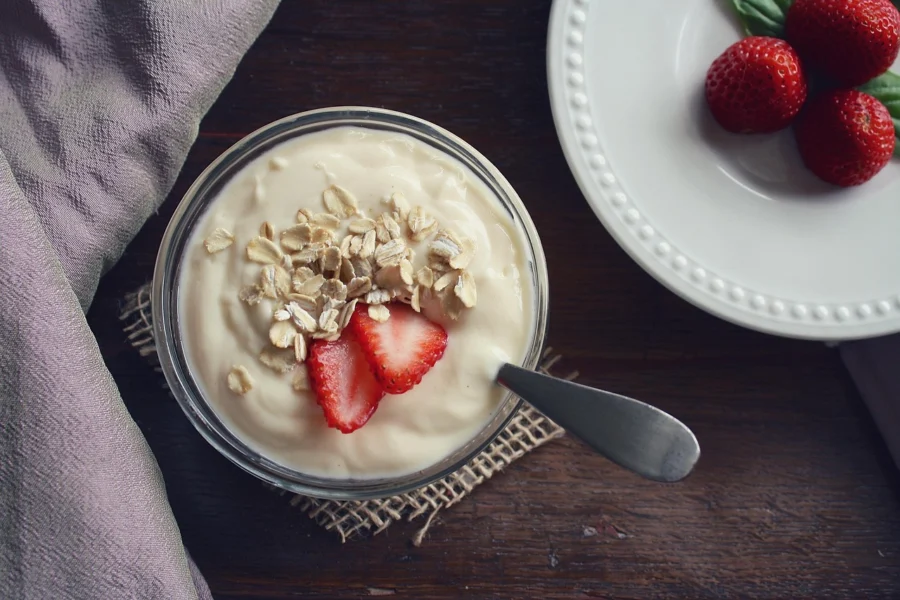
For stovetop rolled oats, bring 2 cups of water and a pinch of salt to a boil. Stir in 1 cup of rolled oats, reduce the heat to medium-low, and cook for 5-10 minutes, stirring occasionally. Remove from heat when the oats have absorbed most of the liquid and reached your desired consistency. For microwave cooking, combine 1/2 cup oats with 1 cup water in a microwave-safe bowl. Microwave on high for 2-3 minutes, then let it sit for a minute before serving. Add toppings like nuts, seeds, or a dollop of yogurt for extra protein and healthy fat.
How to Add Protein and Flavor Without Sugar
Plain oatmeal doesn’t have to be boring. To boost protein, stir in a scoop of protein powder after cooking, or swirl in a tablespoon of nut butter. You can also cook oats in milk instead of water for a creamier texture and extra protein. For natural sweetness, mash half a banana into the oats while they cook, or top with berries and a drizzle of maple syrup. Spices like cinnamon, nutmeg, or cardamom add warmth without calories. A teaspoon of vanilla extract or a pinch of sea salt can elevate the flavor significantly.
How to Store and Reheat Oatmeal
Cooked oatmeal stores well in the fridge for up to 5 days. Let it cool completely, then transfer to an airtight container. To reheat, add a splash of milk or water and warm it on the stovetop or in the microwave. Stir occasionally to restore the creamy texture. You can also freeze oatmeal in individual portions for up to 3 months. Thaw overnight in the fridge and reheat as usual. For meal prep, cook a large batch of steel-cut or rolled oats on Sunday and portion them out. Add fresh toppings each morning so it feels new.
Final Verdict: Which Is Healthier?
Steel-cut oats are marginally healthier by a small margin due to their lower glycemic index and less processed form. That said, the difference is not dramatic. Both are whole grains that provide soluble fiber, protein, and essential nutrients like iron and magnesium. The healthiest oat is the one you will eat regularly without adding too much sugar or fat. If you prefer the texture and convenience of rolled oats, they are still a fantastic choice. If you have time to cook steel-cut oats, they offer a slight edge for blood sugar and satiety. Either way, you are making a good decision for your health.
Frequently asked questions
Are steel-cut oats healthier than rolled oats?
Steel-cut oats are slightly healthier because they are less processed and have a lower glycemic index, meaning they raise blood sugar more slowly. However, both are whole grains with similar fiber, protein, and nutrient content. The difference is small, so choose based on your cooking time and texture preference.
Can I use steel-cut oats instead of rolled oats in baking?
Not usually. Steel-cut oats do not soften enough during baking and will result in a chewy, hard texture. Rolled oats are the standard for cookies, muffins, and granola bars because they absorb liquid and soften nicely. Stick with rolled oats for baking recipes.
Which type of oatmeal is best for diabetes?
Steel-cut oats are better for diabetes because their lower glycemic index causes a slower, more gradual rise in blood sugar. Rolled oats are still acceptable, but steel-cut offers the best blood sugar control. Be mindful of toppings—avoid added sugar and choose protein or healthy fat for balance.
Do steel-cut oats take longer to cook?
Yes, steel-cut oats take 20-30 minutes on the stovetop, while rolled oats cook in 5-10 minutes. You can reduce steel-cut cooking time by soaking them overnight, or use a pressure cooker for faster results. Rolled oats are the quick option for busy mornings.
Can you eat steel-cut oats raw?
Steel-cut oats are too hard to eat raw. They need to be cooked to soften and become digestible. Unlike rolled oats, which can be used in overnight oats without cooking, steel-cut oats require heat or a long soak (like overnight in a slow cooker) to become palatable.