Short answer: Your hummus turns grainy most often because you used cold canned chickpeas straight from the fridge, didn’t blend long enough, or skipped peeling the skins. Warm beans plus patience in the food processor are the two biggest fixes.
Key takeaways
- Cold chickpeas cause a grainy texture; warm them first.
- Peeling chickpea skins removes the fibrous outer layer.
- Blend hummus for at least 3–4 minutes for proper emulsification.
- Good tahini and fresh lemon juice help create a smooth emulsion.
- Adding ice water while blending can lighten and smooth the texture.
- Overcooked chickpeas are easier to blend into a silky paste.
What you will find here
- Why Is My Hummus Grainy At All?
- Problem #1: Using Cold Chickpeas
- Problem #2: Not Peeling the Chickpeas
- Problem #3: Not Enough Blending Time
- Problem #4: Poor Ingredient Ratios or Low-Quality Tahini
- How to Fix Grainy Hummus After It’s Made
- Tips for Making Smooth Hummus Every Time
- Frequently Asked Questions
- How to Choose the Right Chickpeas for Hummus
- What to Do When Your Hummus Is Too Thick or Too Thin
You pull out your food processor, dump in chickpeas, tahini, lemon, and garlic. You blend, taste, and — grit. Grainy, chalky, disappointing hummus. You’re not alone. This is the most common complaint among home hummus makers. The good news: it’s fixable. Here’s exactly what causes grainy hummus and how to fix it every time.
Why Is My Hummus Grainy At All?
Hummus should be silky, creamy, almost mousse-like. When it’s grainy, the texture fails because the chickpeas haven’t fully broken down or the emulsion has split. There are four main culprits: cold chickpeas, unpeeled skins, not enough blending, or poor ingredient ratios. Most often, it’s a combination of two or three. Let’s look at each problem.
Problem #1: Using Cold Chickpeas
Take canned chickpeas straight from the fridge, drain them, and blend — you’ll get a thick, grainy paste. Cold chickpeas are hard. Their starches are firm, and the food processor struggles to break them down into a creamy consistency. The proteins don’t emulsify well with the tahini at low temperatures.
The fix is simple: warm your chickpeas. Dump canned chickpeas (with their liquid) into a small saucepan and simmer for 10 minutes. Or microwave them for 2 minutes. If you cook dried chickpeas, use them while they’re still warm. Warm beans are soft and blend into a smooth, almost buttery texture. This step alone often fixes the graininess.
Problem #2: Not Peeling the Chickpeas
Chickpea skins are tough and fibrous. When you blend them, they don’t break down into a cream — they shred into tiny, hard pieces that feel gritty on your tongue. This is especially true with canned chickpeas, which have thicker skins.
Should you peel them? Yes, for truly smooth hummus. Roll the chickpeas in a clean kitchen towel to loosen the skins, then pick them off. Or simmer them with a pinch of baking soda for 10 minutes — the alkaline water softens the skins so they virtually dissolve during blending. It sounds fussy, but it takes 5 extra minutes and makes a huge difference.

Problem #3: Not Enough Blending Time
Most people blend hummus for 30 seconds and stop. That’s not enough. The food processor needs time — at least 3 to 4 minutes — to break down chickpea starches and create a smooth emulsion. Pause once or twice to scrape down the sides with a spatula. A high-powered blender works too, but a food processor is better because it requires less liquid.
For extra smoothness, drizzle in a tablespoon or two of ice water while the machine runs. This cools the blade and lightens the texture. The result: a hummus that’s creamy, not heavy. If your hummus looks thick and dull after one minute, keep going. It will transform.
Problem #4: Poor Ingredient Ratios or Low-Quality Tahini
Hummus is an emulsion of chickpea solids, tahini, acid (lemon juice), and water. Too little tahini or too much chickpea makes the texture stiff and grainy. Too much water makes it runny. Tahini that’s old or separated can also cause graininess — its oil won’t incorporate fully. Stir your tahini well before using; if it’s bitter, it’s probably rancid.
Here’s a reliable ratio to start with:
| Ingredient | Amount |
|---|---|
| Canned chickpeas (drained) | 1 ½ cups |
| Tahini | ⅓ cup |
| Lemon juice | ¼ cup |
| Ice water | 2–3 tablespoons |
| Garlic (optional) | 1 small clove |
| Salt | ½ teaspoon |
Blend tahini and lemon juice first until pale and thick. Then add chickpeas and blend for a full 3 minutes. Add water as needed. This builds a stable emulsion from the start.
How to Fix Grainy Hummus After It’s Made
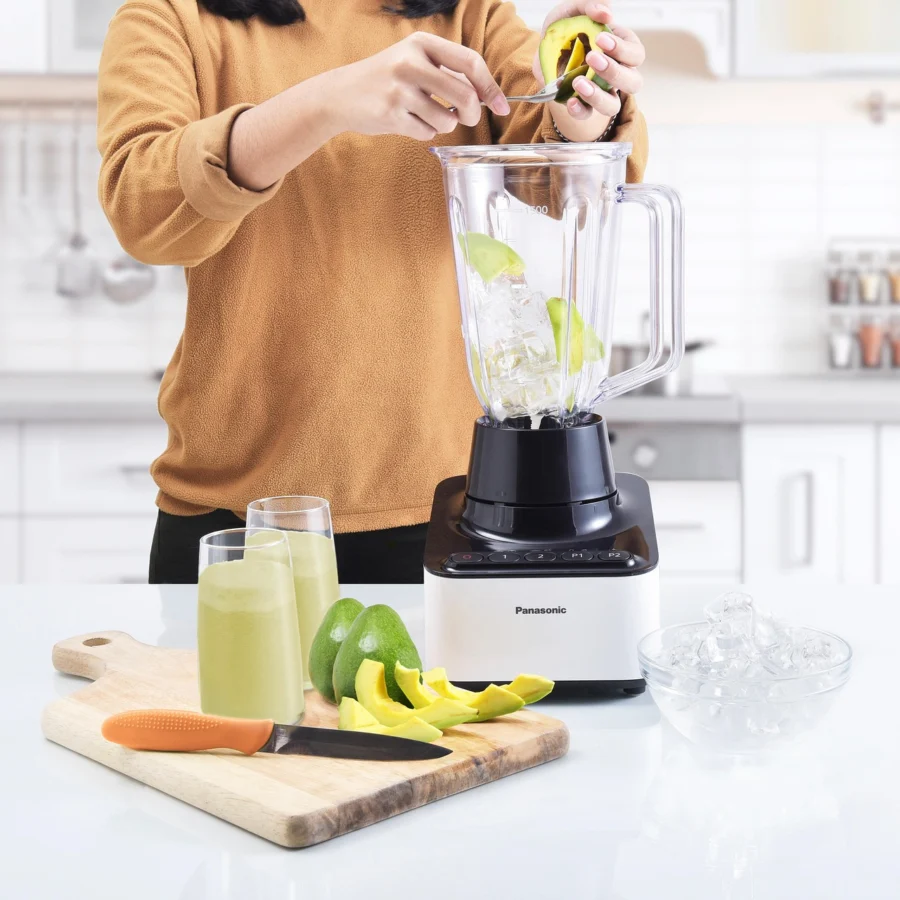
If you already made grainy hummus, don’t dump it. You can salvage it. Add warm water, one tablespoon at a time, while blending on high speed. The extra liquid helps the processor re-emulsify the mixture. Another trick: add a tablespoon of olive oil and a pinch of baking soda, then blend for another 2 minutes. The baking soda softens the chickpea particles further.
If the hummus is still grainy after that, let it rest in the fridge for an hour. Sometimes the texture smooths out as the starches hydrate. Not a perfect fix, but it helps.
Tips for Making Smooth Hummus Every Time
Follow these steps and you’ll get creamy hummus consistently:
- Cook dried chickpeas with a pinch of baking soda until very soft (or simmer canned ones).
- Peel the skins or use baking soda to dissolve them.
- Use warm chickpeas — never straight from the fridge.
- Blend tahini and lemon juice first for a minute before adding anything else.
- Blend the whole mixture for at least 3–4 minutes, scraping down as needed.
- Add ice water slowly while blending to lighten the texture.
- Taste and adjust salt and acid at the end.
Frequently Asked Questions
Can I make creamy hummus without a food processor? Yes, but it’s harder. Use a high-power blender like a Vitamix, and add more liquid. You’ll need a tamper to push the beans into the blades. The result can be even smoother than a food processor.
Is canned chickpeas okay for smooth hummus? Absolutely. Just heat them first and consider peeling the skins. Canned beans are already cooked, but they’re often firmer than home-cooked. Simmering them for 10 minutes softens them enough for a creamy texture.
Why is my hummus bitter even though it’s smooth? Bitter hummus usually comes from old or burnt tahini, or too much garlic. Use fresh tahini and just one small clove of garlic (remove the green germ). A pinch of sugar can balance mild bitterness.
Can I make hummus without tahini? Yes. Substitute with Greek yogurt, silken tofu, or a neutral nut butter like cashew butter. The texture will be different — often thicker — but still smooth. You may need extra lemon and salt.
How long should I blend hummus? At least 3 minutes in a food processor. Set a timer. It seems long, but that’s how long it takes to fully break down the chickpea starches. If your machine gets hot, pause for 30 seconds, then continue.
How to Choose the Right Chickpeas for Hummus
The type of chickpea matters more than you think. Dried chickpeas generally produce a creamier hummus than canned, because you can control the cooking. Look for smaller, lighter-colored chickpeas — often labeled “kabuli” — which have thinner skins. Larger, darker chickpeas (“desi”) have thicker skins and a firmer texture, making them harder to smooth out.
If using canned chickpeas, choose a brand with fewer preservatives and a softer bean. Avoid cans with added firming agents like calcium chloride, which keep beans too firm. Rinse and drain the chickpeas, then simmer them as described earlier. You can also soak dried chickpeas overnight with a teaspoon of baking soda — this softens the skins and cuts cooking time in half.
What to Do When Your Hummus Is Too Thick or Too Thin
Texture problems don’t stop at graininess. Sometimes hummus comes out too thick, like a paste, or too thin, like a soup. Here’s how to fix both.
Too thick: This usually means not enough liquid. Add warm water or chickpea cooking liquid one tablespoon at a time while blending. A tablespoon of olive oil can also help. Blend for another 30 seconds after each addition. The goal is a consistency that’s soft and spreadable but holds its shape on a spoon.
Too thin: You added too much water or oil. The fix is to add more chickpeas. Blend in another ¼ cup of warm chickpeas (without extra liquid) and blend until smooth. If you don’t have more chickpeas, add a tablespoon of tahini — it thickens and adds flavor. Avoid adding more salt until you’ve adjusted the thickness, because the balance may shift.
A good test: scoop a spoonful of hummus and turn the spoon sideways. It should slowly slide off, not drip or stay in a solid lump. Adjust from there.
Frequently asked questions
Can I make creamy hummus without a food processor?
Yes, but it’s harder. Use a high-power blender like a Vitamix, and add more liquid. You’ll need a tamper to push the beans into the blades. The result can be even smoother than a food processor.
Is canned chickpeas okay for smooth hummus?
Absolutely. Just heat them first and consider peeling the skins. Canned beans are already cooked, but they’re often firmer than home-cooked. Simmering them for 10 minutes softens them enough for a creamy texture.
Why is my hummus bitter even though it’s smooth?
Bitter hummus usually comes from old or burnt tahini, or too much garlic. Use fresh tahini and just one small clove of garlic (remove the green germ). A pinch of sugar can balance mild bitterness.
Can I make hummus without tahini?
Yes. Substitute with Greek yogurt, silken tofu, or a neutral nut butter like cashew butter. The texture will be different — often thicker — but still smooth. You may need extra lemon and salt.
How long should I blend hummus?
At least 3 minutes in a food processor. Set a timer. It seems long, but that’s how long it takes to fully break down the chickpea starches. If your machine gets hot, pause for 30 seconds, then continue.