Short answer: To choose the best nonstick pan, consider the coating type (PTFE, ceramic, or enameled), the pan material (hard-anodized aluminum is most durable), the size (8, 10, or 12 inches for most needs), and the construction (tri-ply or thick base for even heat). Look for a comfortable handle and oven-safe rating. Avoid metal utensils and dishwasher cleaning to extend the pan’s life.
Key takeaways
- PTFE and ceramic are the main coating options; PTFE lasts longer but ceramic is PFOA-free.
- Hard-anodized aluminum is the best balance of heat conduction and weight.
- 10-inch and 12-inch pans handle most everyday tasks.
- Avoid metal utensils and high heat to prevent coating damage.
- Hand wash with soft sponges to prolong nonstick life.
- A sturdy, riveted handle and thick base prevent warping.
What you will find here
- What Are the Main Types of Nonstick Coatings?
- What Pan Material Should You Choose?
- What Size Nonstick Pan Do You Need?
- What to Look For in Pan Construction
- How to Care for Your Nonstick Pan
- Best Nonstick Pans at Different Price Points
- Putting It All Together: How to Choose
- How to Tell If Your Nonstick Pan Needs Replacing
- Common Mistakes to Avoid with Nonstick Pans
A good nonstick pan makes cooking easier. Eggs slide right out. Pancakes flip without a fight. Cleanup takes seconds. But with so many options, how do you pick the right one? This guide walks you through what matters: coating, material, size, and construction. By the end, you’ll know exactly what to look for.
What Are the Main Types of Nonstick Coatings?
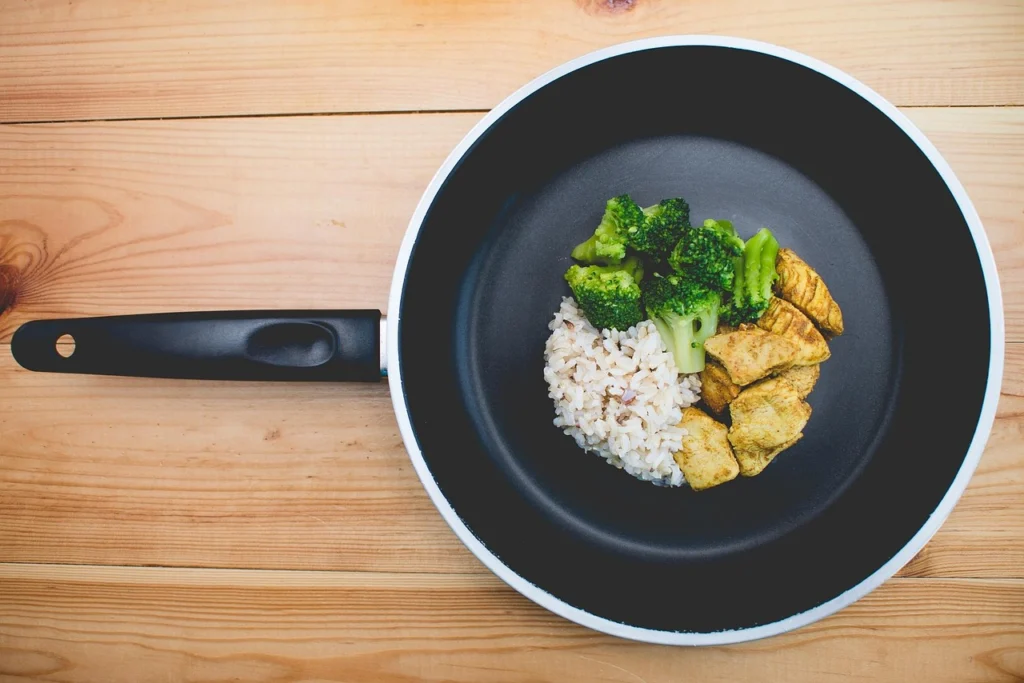
The coating is the most important part of a nonstick pan. It determines how well food releases and how long the pan lasts. There are three common types: PTFE, ceramic, and enameled cast iron.
PTFE (Polytetrafluoroethylene) Coatings
PTFE is the traditional nonstick coating (often branded as Teflon). It’s very slippery and works well for eggs, delicate fish, and sticky foods. Modern PTFE is PFOA-free and safe when used properly. The downside is it can’t handle high heat — above 500°F (260°C) it may degrade and release fumes. It also scratches easily, so you need to use silicone or wood utensils. With care, a PTFE pan lasts 2–4 years.
Ceramic Coatings
Ceramic nonstick (often called sol-gel) is made from inorganic minerals. It’s PFOA- and PTFE-free, and it can withstand slightly higher temperatures (up to 600°F). It’s also less slippery than PTFE, but many people find it good enough. The main trade-off is durability: ceramic coatings typically wear out faster than PTFE — sometimes within a year. They also tend to be more expensive. If you want an eco-friendly option and are gentle with your pans, ceramic is a solid choice.
Enameled Cast Iron
Enameled cast iron like Le Creuset or Staub offers a glass-like coating that’s nonstick when seasoned. It’s extremely durable, can go in the oven, and works on all stovetops. But it’s heavy and expensive. It’s not as nonstick as PTFE — you’ll still need fat — but it’s a lifetime pan. Best for low-and-slow cooking, not for quick egg scrambles.
What Pan Material Should You Choose?
The base metal of the pan affects heat distribution, weight, and response to temperature changes. Here’s what you’ll find:
| Material | Pros | Cons |
|---|---|---|
| Hard-anodized aluminum | Even heating, lightweight, durable, medium cost | Not induction-compatible unless clad with magnetic metal |
| Stainless steel with nonstick coating | Durable, oven-safe, induction-compatible | Heavier, may have hot spots |
| Regular aluminum | Very lightweight, cheap | Prone to warping, uneven heat, less durable |
| Copper core | Excellent heat control | Expensive, reactive, requires special care |
For most home cooks, hard-anodized aluminum is the sweet spot. It heats evenly, feels sturdy, and doesn’t break the bank. If you have an induction cooktop, look for pans labeled induction-compatible, usually with a magnetic stainless steel base.
What Size Nonstick Pan Do You Need?
Size matters more than you might think. A pan that’s too small crowds your food; one that’s too large wastes energy and counter space. Here’s a quick guide:
- 8-inch: Great for a single egg, small omelets, or reheating a single portion. Good for one-person households.
- 10-inch: The most versatile size. Fits two eggs, a chicken breast, or a small stir-fry. It’s the go-to for most daily cooking.
- 12-inch: Handles multiple servings, large pancakes, or a full meal for two to three people. Heavier and takes up more storage space.
If you can only get one, go with a 10-inch. If you cook for a family, get a 12-inch too. Many people find they reach for their 10-inch nonstick more than any other pan.
What to Look For in Pan Construction
A pan isn’t just a layer of coating on a metal disc. The construction determines how well it cooks and how long it lasts.
Thick Base
A thick base (at least 2.5 mm) prevents warping and promotes even heat. Thin pans develop hot spots and may warp on high heat. Look for pans that feel substantial for their size.
Multi-Ply or Clad
Multi-ply pans have layers of different metals (like aluminum sandwiched between stainless steel). They heat evenly and are usually more durable. They’re also heavier and more expensive.
Riveted vs. Welded Handles
Riveted handles are attached with metal bolts. They feel sturdy but can collect food residue around the rivets. Welded handles (or cast handles with no rivets) are easier to clean but may loosen over time. Most home cooks prefer riveted handles for durability.
Oven-Safe Rating
If you finish dishes in the oven or under the broiler, choose a pan rated for at least 350°F to 400°F. Many nonstick pans are only safe to 350°F because the handle or coating can’t take higher heat. For higher oven use, look for all-metal construction with a silicone-grip handle that can be removed.
How to Care for Your Nonstick Pan
Even the best nonstick pan won’t last if you treat it poorly. Follow these rules:
- Use low to medium heat. High heat degrades the coating and causes warping. Most nonstick pans should not go above medium. Preheat slowly.
- Avoid metal utensils. Use silicone, wood, or nylon. Metal scratches the coating and reduces nonstick performance.
- Let the pan cool before washing. Pouring cold water on a hot pan can warp the base. Let it cool, then hand wash with a soft sponge and mild soap.
- No dishwasher. Dishwasher detergents and high heat are harsh on nonstick coatings. Hand wash only.
- Stack carefully. If stacking with other pans, place a paper towel or pan protector between them to prevent scratches.
- Replace when worn. Once you see peeling, flaking, or deep scratching, retire the pan. Damaged coating can flake into food. Plan on replacing every 2–4 years with regular use.
For more tips on kitchen prep, check out How to Meal Prep Healthy Lunches for the Week where a good nonstick pan makes cooking grains and veggies a breeze.
Best Nonstick Pans at Different Price Points
You don’t need to spend a fortune, but you do get what you pay for. Here’s what to expect:
Budget
Look for pans from brands like Tramontina or OXO. They often have hard-anodized aluminum bases and decent PTFE coatings. They may not heat as evenly and will warp sooner, but they’re a good starter option. Expect 1–2 years of use.
Mid-Range
This is the sweet spot. Brands like Calphalon Contemporary, Cuisinart Chef’s Classic, and All-Clad B1 offer thicker bases, better heat distribution, and more durable coatings. Many are oven-safe to 400°F. These can last 3–5 years with proper care.
Premium
At this level you get top-tier construction, exceptional coating durability, and often lifetime warranties. Le Creuset’s toughened nonstick, All-Clad D3 nonstick, and Scanpan’s Stratanium are examples. They’re heavy, heat beautifully, and can last 5+ years. If you cook a lot and want one pan to rely on, this is worth the investment.
Putting It All Together: How to Choose
Here’s a step-by-step approach to buying your next nonstick pan:
- Decide on coating: Choose PTFE if you want maximum nonstick and are careful with heat. Choose ceramic if you prefer a PTFE-free option and are gentle with your pans.
- Pick a material: Hard-anodized aluminum for most people. Stainless if you have induction. Enameled cast iron if you want a lifetime pan and can handle the weight.
- Choose size: 10-inch if you only get one. Add 12-inch for larger meals or family cooking.
- Check construction: Look for a thick base (2.5+ mm), sturdy riveted handle, and an oven-safe rating that matches your cooking habits.
- Set a budget: Mid-range gives the best value. Premium is worth it if you’ll use it daily for years.
- Commit to care: Plan to hand wash, use silicone utensils, and avoid high heat. That extends the life of any nonstick pan.
A thoughtful purchase now saves you frustration later. Take your time, pick the right pan, and it will serve you well through countless meals.
For more kitchen fundamentals, see How to Cook Quinoa Perfectly Every Time — a nonstick pan helps with that too.
How to Tell If Your Nonstick Pan Needs Replacing
Even with perfect care, nonstick pans wear out. Here’s how to know when it’s time to retire yours. First, check the surface. If you see scratches that expose the metal underneath, the coating is compromised. Any peeling or flaking means the pan is no longer safe — pieces can end up in your food. Second, test the nonstick performance. If you need more oil than you used to or food starts sticking (even with fat), the coating is wearing thin. Third, look for warping. Spin the pan on a flat countertop; if it rocks, the base has warped and won’t heat evenly. Warping also makes the pan dangerous on glass cooktops. Finally, pay attention to discoloration. Dark spots or a yellowed coating can indicate overheating, which degrades nonstick properties. When you see any of these signs, replace the pan. Using a worn nonstick pan is frustrating and could lead to food sticking or coating particles in your meals.
Common Mistakes to Avoid with Nonstick Pans
Most nonstick failures come from a few preventable mistakes. First, using cooking spray. Aerosol sprays contain lecithin and propellants that leave a residue on the coating, which builds up and becomes sticky over time. If you need spray, use a pump bottle instead. Second, preheating empty. Heating an empty nonstick pan can damage the coating and release fumes. Always add a little oil or butter before turning on the heat. Third, stacking without protection. Metal lids and other pans can scratch the coating. Use pan protectors or a simple cloth between pans. Fourth, ignoring the lower heat requirement. Nonstick pans don’t need high heat to work. High heat food cooks just as well on medium — the coating conducts heat efficiently. Fifth, using abrasive cleaners. Steel wool or scouring pads will ruin the coating. Stick to soft sponges or plastic scrubbers. Avoid these mistakes and your nonstick pan will last longer and perform better.
For more kitchen fundamentals, see How to Cook Quinoa Perfectly Every Time — a nonstick pan helps with that too.
Frequently asked questions
Is nonstick pan coating safe?
Modern nonstick coatings (PTFE, ceramic) are safe for normal cooking. PTFE pans are PFOA-free. Avoid overheating PTFE pans above 500°F and replace any pan with flaking coating.
How long should a nonstick pan last?
With gentle care, a good nonstick pan lasts 2–5 years. Low heat, hand washing, and silicone utensils extend its life. Replace when the coating begins to peel or scratch deeply.
Can you use metal utensils on nonstick pans?
No. Metal scratches the nonstick coating, reducing its performance and potentially causing flakes. Use silicone, wood, or nylon utensils instead.
What’s the best nonstick pan for eggs?
A 10-inch hard-anodized aluminum pan with a PTFE coating is ideal. It heats evenly and releases eggs easily. Look for a pan with a thick base to avoid hot spots.
Can you put nonstick pans in the dishwasher?
It’s not recommended. Dishwasher detergent and high heat can degrade the coating. Hand washing with a soft sponge and mild soap keeps the pan in better condition longer.
1 thought on “How to Choose the Best Nonstick Pan for Your Kitchen”